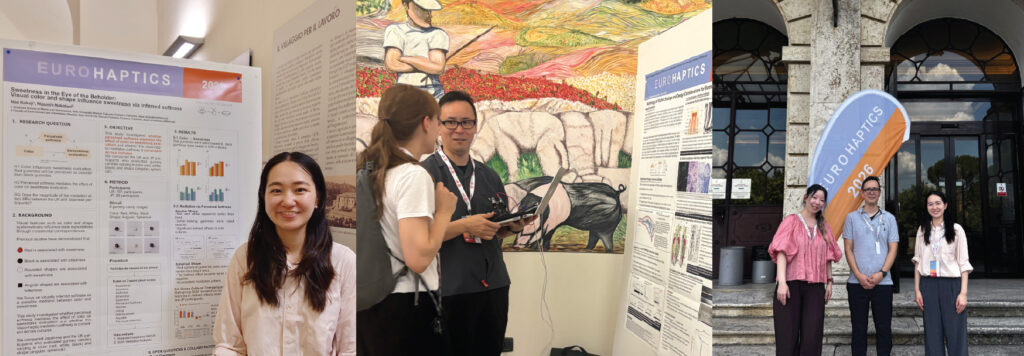
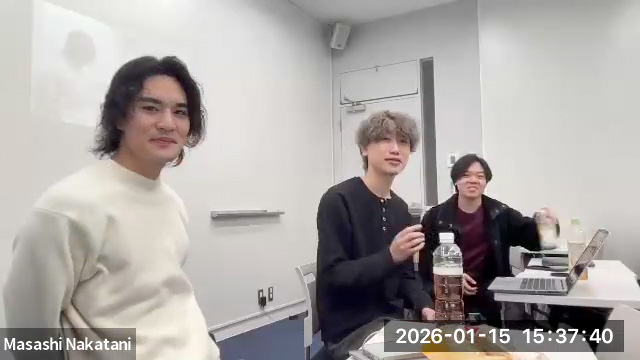
Members of the Nakatani Laboratory participated in EuroHaptics 2026, held in Siena and Rome, Italy, where we presented two research projects.
The first presentation was:
Poster Session (PS 22) Sweetness in the Eye of the Beholder: Visual Color and Shape Influence Sweetness via Inferred Softness Nao Kokaji, Masashi Nakatani
This study investigated how visual cues, such as color and shape, influence perceived sweetness through inferred softness. The findings provide new insights into crossmodal perception and the mechanisms through which visual information shapes flavor expectations.
The second presentation was delivered in the Work-in-Progress Session:
This work introduced a biomimetic tactile sensor inspired by the morphology of Ruffini endings. By focusing on the elongated structure of this slowly adapting mechanoreceptor, we discussed a new design concept for artificial tactile sensors capable of detecting skin stretch and deformation.
In addition to our own presentations, we were delighted to reunite with Yang Gao, a research collaborator from Professor Charles Spence's laboratory at the University of Oxford. It was wonderful to catch up after our collaborative research in Oxford and to exchange ideas on future projects.
His research explores how wearable tactile technology can enhance the cinematic experience by integrating tactile stimulation with audiovisual media.
EuroHaptics once again provided an excellent opportunity to exchange ideas with researchers from around the world. The conference was followed by the EuroHaptics Summer School, where students and early-career researchers engaged in lively discussions with leading scientists in the field.
We sincerely thank everyone who visited our posters and shared valuable comments and suggestions. We look forward to further developing these projects and strengthening our international collaborations.
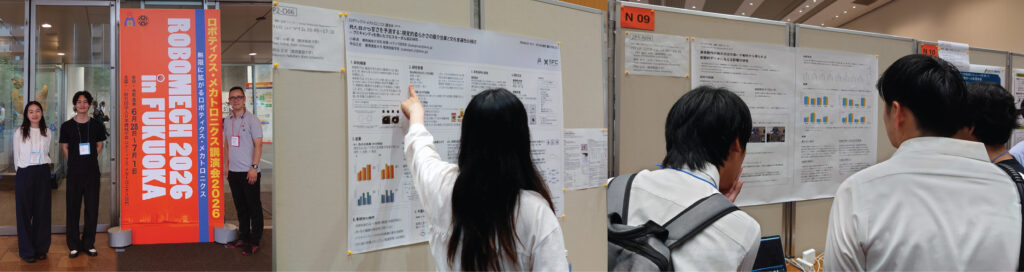
Members of the Nakatani Laboratory participated in ROBOMECH 2026 (The Robotics and Mechatronics Conference 2026) and presented three research projects related to tactile sensing, human movement, and crossmodal perception.
Our presentations were:
2A1-F05: Morphology of Ruffini Endings and a Sensor Inspired by Their Structure – First Report
Masashi Nakatani
This study introduced the first report on a biomimetic tactile sensor inspired by the morphology of Ruffini endings, mechanoreceptors responsible for detecting skin stretch. The work explores how biological tactile mechanisms can inspire the design of next-generation tactile sensors.
2P1-N09: Effects of Different Instruction Methods for Body Movements on Objective Motion Data
Kaisei Tomita, Yuko Hashimoto, Masashi Nakatani
This study investigated how different methods of instructing body movements influence objectively measured motion data. The findings contribute to the design of motion measurement protocols and human movement analysis.
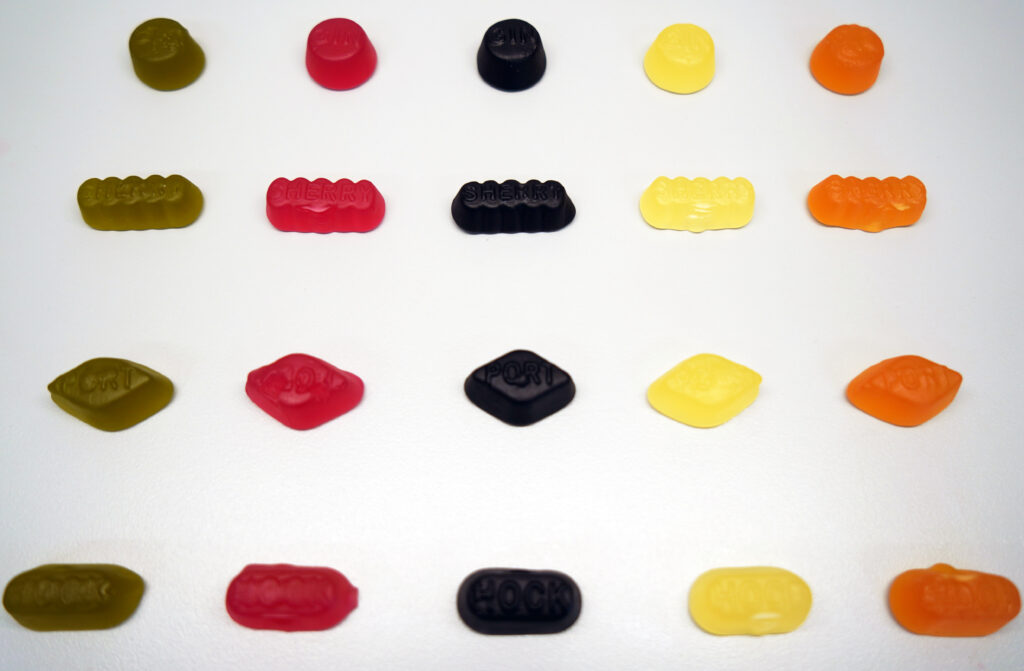
2P2-O06: Crossmodal Correspondences Between Visual–Tactile Texture and Taste of Gummy Candies
Nao Kokaji, Masashi Nakatani
This research examined the relationships between the visual and tactile texture of gummy candies and taste perception. The results provide new insights into crossmodal perception and may contribute to future food and sensory design.
ROBOMEC 2026 provided an excellent opportunity to exchange ideas with researchers from diverse fields of robotics, mechatronics, and human sensing. We sincerely thank everyone who attended our presentations and shared valuable comments and suggestions.
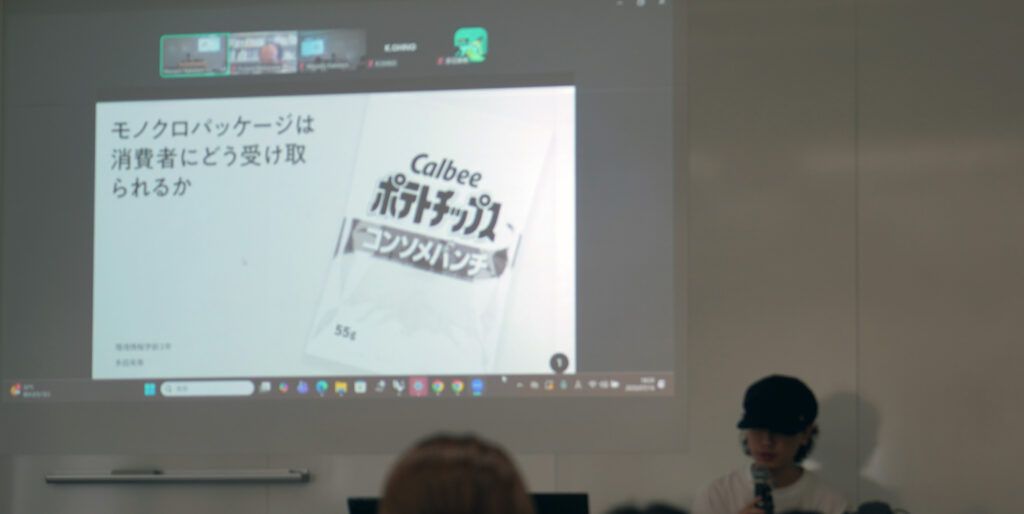
A total of six master's and undergraduate students presented the outcomes of their research and their future research directions, followed by engaging discussions with the invited commentators.
We would like to express our sincere appreciation to everyone who attended the session onsite and asked thoughtful questions, as well as to Professor Yusuke Wakasawa (Faculty of Letters) and Professor Ta Tung (Faculty of Environment and Information Studies) for serving as commentators.
Multisensory Research誌に、Oxford University 滞在時より執筆していたレビュー論文が刊行されました。
Material Dependency of Crossmodal Correspondences in Shitsukan (with a Focus on Food) Masashi Nakatani (Keio University) & Charles Spence (Oxford University) Multisensory Research (published online ahead of print 2026). https://doi.org/10.1163/22134808-bja10196
Heterogeneous Layered Structures Can Modulate Human Softness Perception Yuno Higuchi, Yosuke Iwashita, Yuji Ohgi, Masashi Nakatani https://arxiv.org/abs/2604.20092
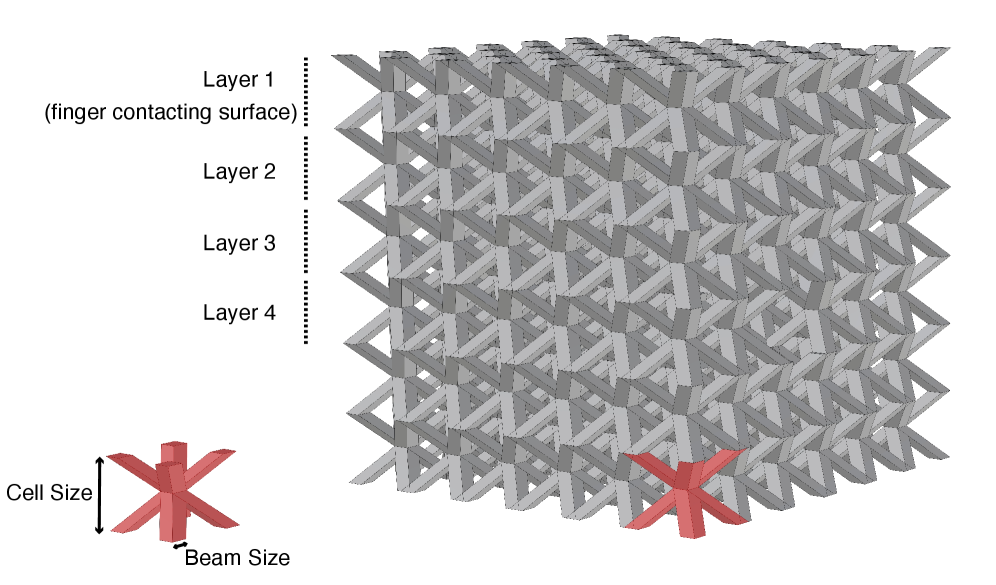
Human softness perception in haptics has mainly been studied using mechanically homogeneous objects, despite the fact that many real-world objects exhibit heterogeneous layered structures with nonuniform stiffness. This study examined how layered heterogeneity modulates haptic softness perception. Sixteen lattice-structured stimuli were fabricated by 3D printing, with the stiffness of the upper four layers systematically varied while the bottom two layers remained fixed. Twenty-two participants evaluated the softness of the stimuli in a psychophysical task, and compression tests were conducted to quantify their mechanical properties. Perceived softness was significantly predicted by displacement under load, however, perceptual ranking did not fully coincide with the physical ranking. Linear mixed-effects analyses showed that the softness of the outermost layer had the greatest impact on the perceived softness. Perceived softness also increased as the number of soft subsurface layers increased, although this contribution decreased with depth. Layers 2 and 3 showed significant effects, whereas Layer 4 did not. These findings suggest that haptic softness perception depends not only on the overall stiffness but also on the depth-dependent distribution of compliance within layered structures.